Blog

  • EXCLAMATION MARK

    EXCLAMATION MARK

    Rudolf Sikora

    Initiative and curation: Kristína Jarošová
    Location: Bratislava City Gallery, Pálffy Palace, Slovakia
    Date: 2023

    Rudolf Sikora’s Work in Augmented Reality Brings an Important Ecological Message for Earth Day

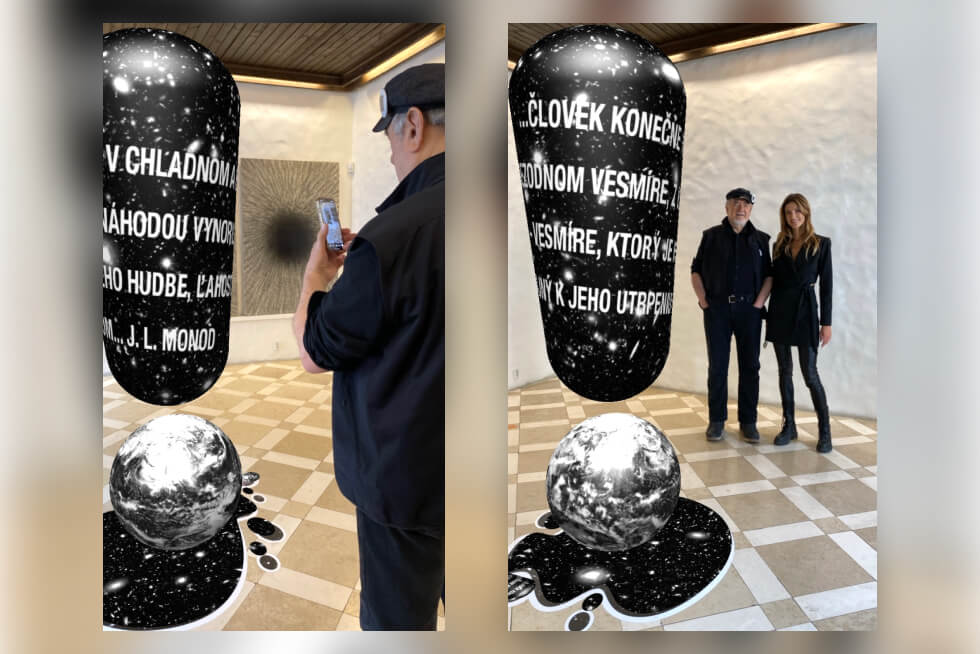
    Starting April 22, visitors to Pálffy Palace at the Bratislava City Gallery were introduced to one of the most modern and increasingly popular methods of presenting art—augmented reality (AR). The work of Rudolf Sikora, created in collaboration with the ART FOND collection, highlights the urgent need to address environmental and ecological issues. The artist underscores this urgency in the symbolic form of an exclamation mark.

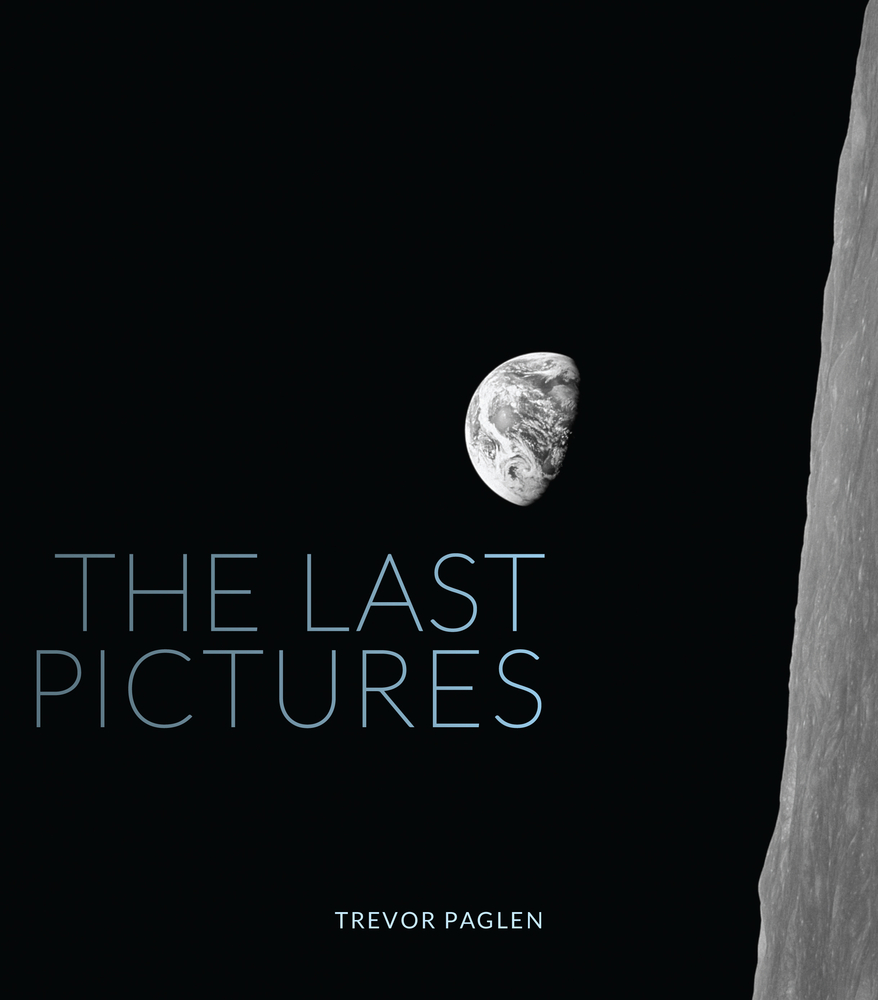
    “Augmented reality provides an interactive experience that connects the real world with digital, computer-generated content. In this case, it presents reality enhanced by a rotating 3D digital version of an exclamation mark. The dot consists of a photograph of the Earth—one of the first taken from space—while the upper part of the symbol is a fragment of cosmic space. The work is also accompanied by a quote from Nobel Prize laureate Jacques L. Monod. The creation of Exclamation Mark in augmented reality was initiated by ART FOND in collaboration with Sikora, with the goal of bringing the message of responsibility for the state of our planet and environment to younger generations,” said Kristína Jarošová.

    Rudolf Sikora was one of the first artists in Europe to systematically address themes of global civilizational and ecological threats, beginning in the early 1970s. As the artist himself recalls:

    “In the autumn of 1969, I came across materials from the Club of Rome, which was founded on April 7, 1968, in Rome. Various experts highlighted the global problem of climate change on our planet. I needed a more precise foundation for my interest in the environment and its development. I began to perceive the state of the environment around me, around us, and across the world more concretely. I connected with environmentalists and ecologists—I wanted to understand humanity better. And I add: We humans are here—on our Earth—dependent on each other: one person on another! If we turn against each other, we won’t survive the future. The planet Earth will remain—but without us… That very planet became the dot in my Exclamation Mark, warning and sending a message into the universe!”

    “Augmented reality is still a rarity in our region, but in the future, it will bring significant changes to both the creation and presentation of visual art. People now have the opportunity to explore Exclamation Mark on their smartphones—either in monumental size at Pálffy Palace until May 14 or in a smaller version from the comfort of their homes. Simply scan the horizontally placed QR code and use the filter in the Instagram app. The artwork will then come to life right before your eyes,” said Kristína Jarošová, director of ART FOND, the art collection of 365.bank.

    Exhibition Details:
    Duration: April 22 – May 14, 2023
    Location: Bratislava City Gallery, Pálffy Palace

  • Ambient Gallery

    Ambient Gallery

    Matej Krén

    Exhibition: Exhibition
    Curator: Kristína Jarošová
    Location: Grape festival, Slovakia
    Date: 2018

    art-ambient-gallery-1
    previous arrow
    next arrow

    The Largest Art Installation in Slovakia at Grape

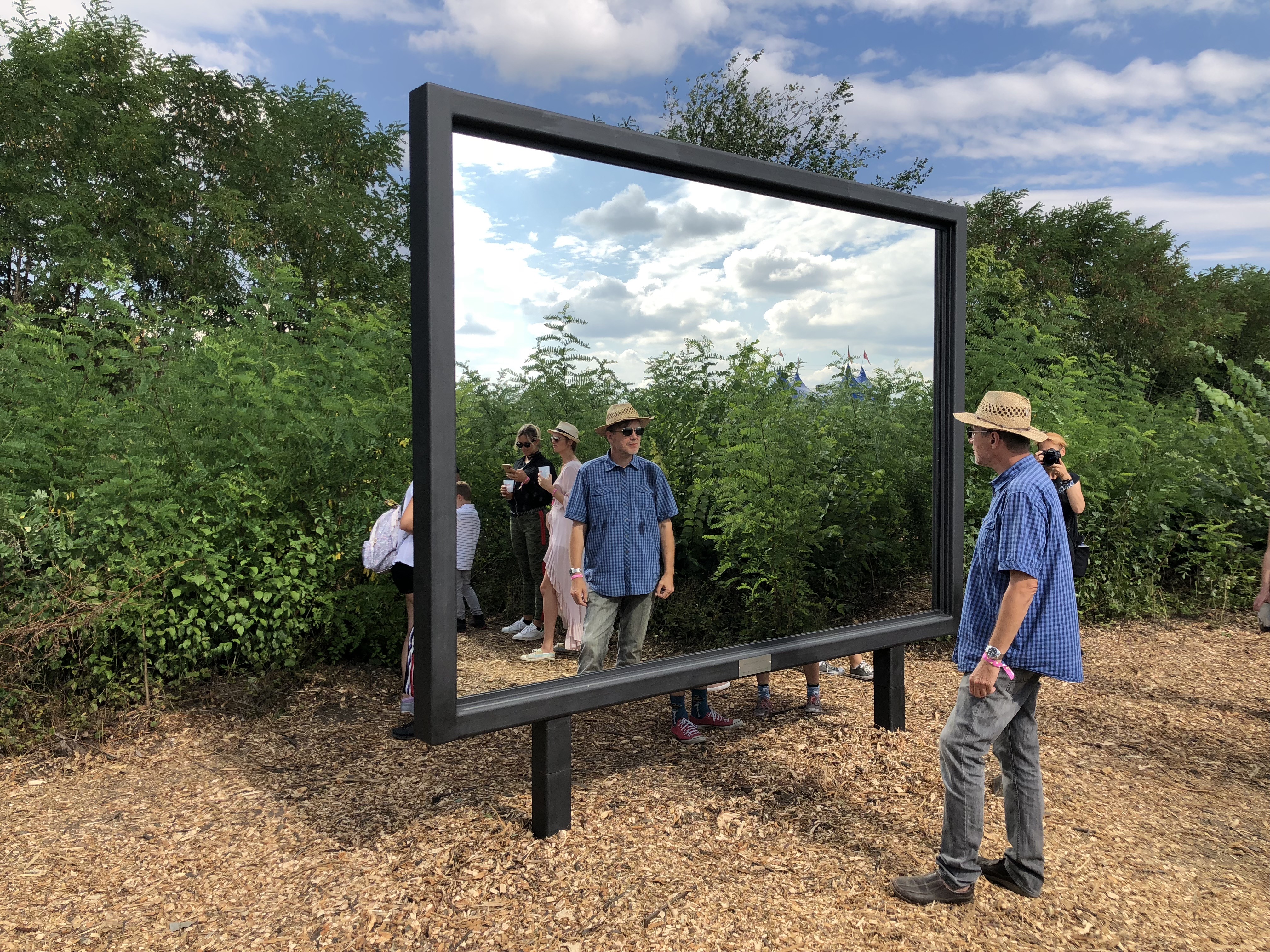
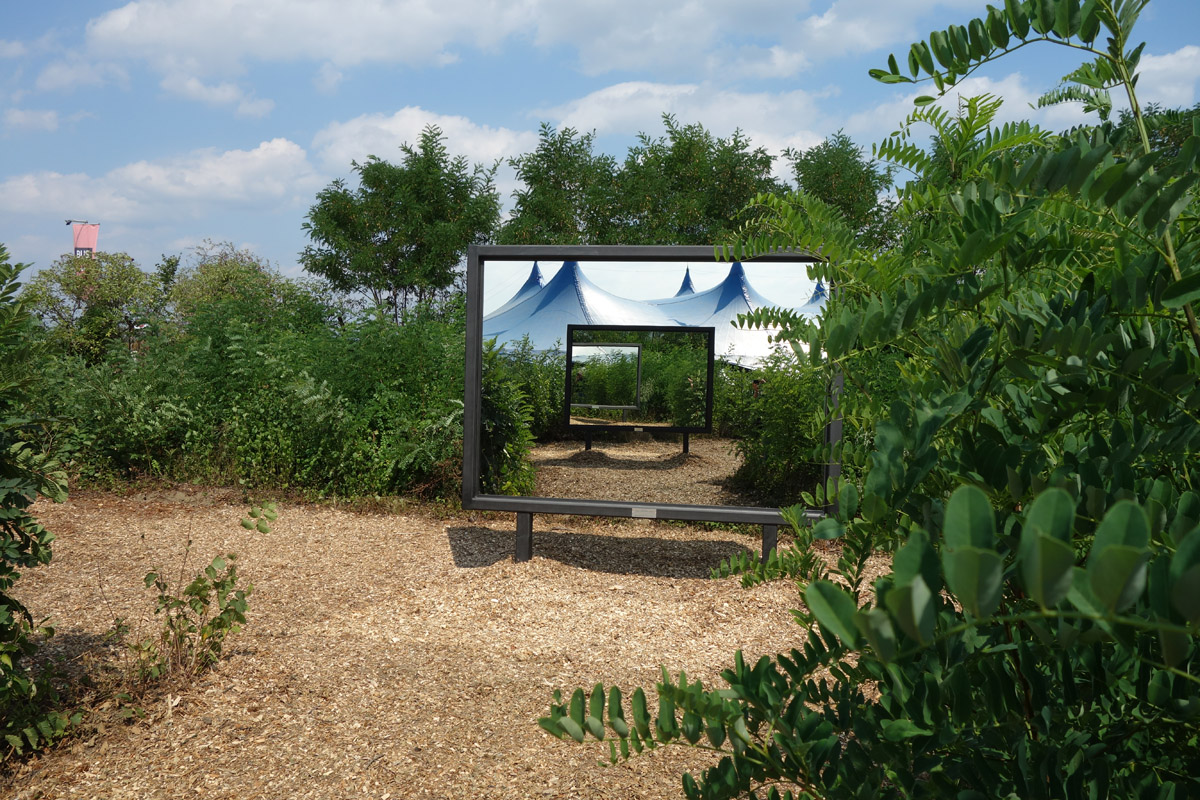
    Slovak artist Matej Krén, known for his iconic Infinite Library at Bratislava City Gallery, presented a large-scale mirrored installation at the Grape Festival. Spanning 6,000 m² and designed exclusively for the festival, the AMBIENT GALLERY featured seven monumental mirrored paintings integrated into the natural landscape, creating a space for reflection and repose.

    This site-specific work exemplifies how contemporary art extends beyond traditional venues—becoming part of public, immersive, and festival environments.

    Selected through an open call initiated by 365.bank, the project was curated by an expert panel including Kristína Jarošová, director of the ART FOND art collection and external art consultant to the bank, and Ivan Jančár, director of Bratislava City Gallery.

    “Art and festivals are increasingly intertwined. We aimed to commission a work that invites engagement and offers a new way to experience art in open space,” says Kristína Jarošová.

    Following the festival, the installation will become part of the permanent collection at the Bratislava City Gallery.

  • Contemporary East

    Contemporary East

    Sotheby’s

    Initiative and curation of Slovak section: Kristína Jarošová
    Location: London, United Kingdom
    Date: June 2016

    art-sothebys-east-1
    previous arrow
    next arrow

    Sotheby’s Auction – Contemporary East

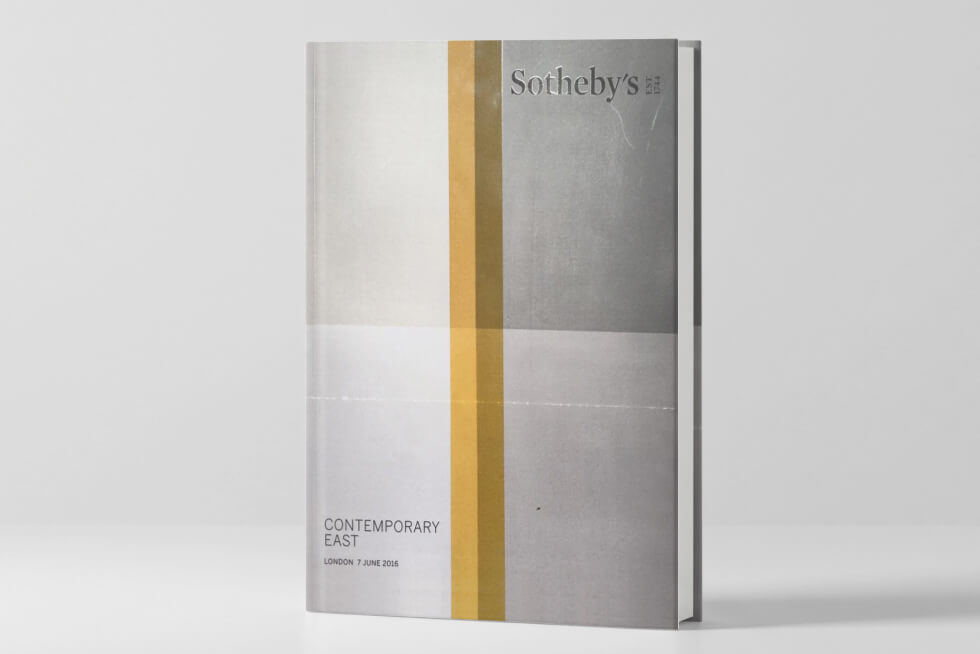
    Since 2013, Sotheby’s Contemporary East has spotlighted contemporary art from Central and Eastern Europe. For the first time, through collaboration with Kristína Jarošová and the ART FOND collection, Slovak artists were included in the selection.

    The featured works reflect Slovak contributions to major international movements such as kinetic art, pop art, new realism, and conceptual art. Selection criteria focused on international recognition, rarity, artistic quality, and visual strength.

    Highlights included Milan Dobeš, a pioneer of kinetic and optical art; Stano Filko, known for his bold neo-avant-garde expression; and Jana Želibská, whose feminist and pop-influenced work has gained renewed international attention through major museum shows.

  • Figura Obscura

    Figura Obscura

    Dark Tendencies in Contemporary Slovak and Czech Figural Painting

    Exhibition: Group Exhibition
    Curator: Kristína Jarošová
    Location: Umelka, Bratislava, Slovakia
    Date: 2015

    art-fo-1
    previous arrow
    next arrow

    The Figure. Adored and ignored, elevated and damned.

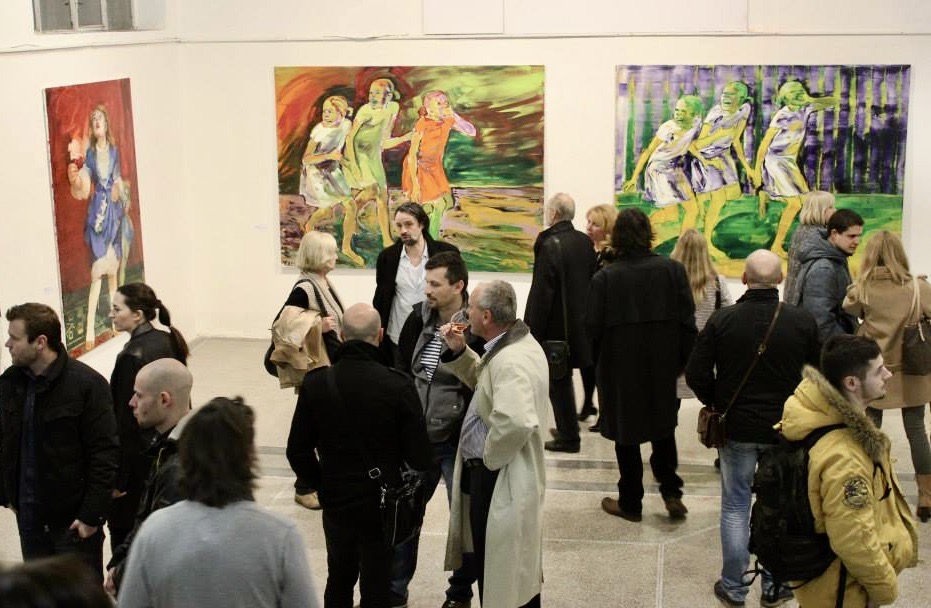
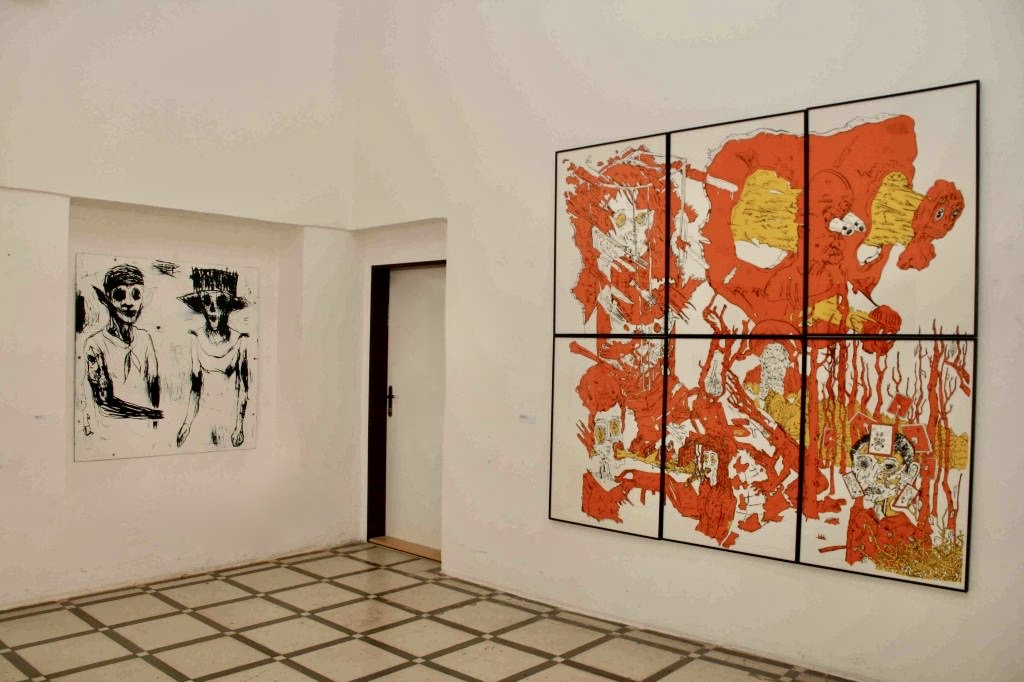
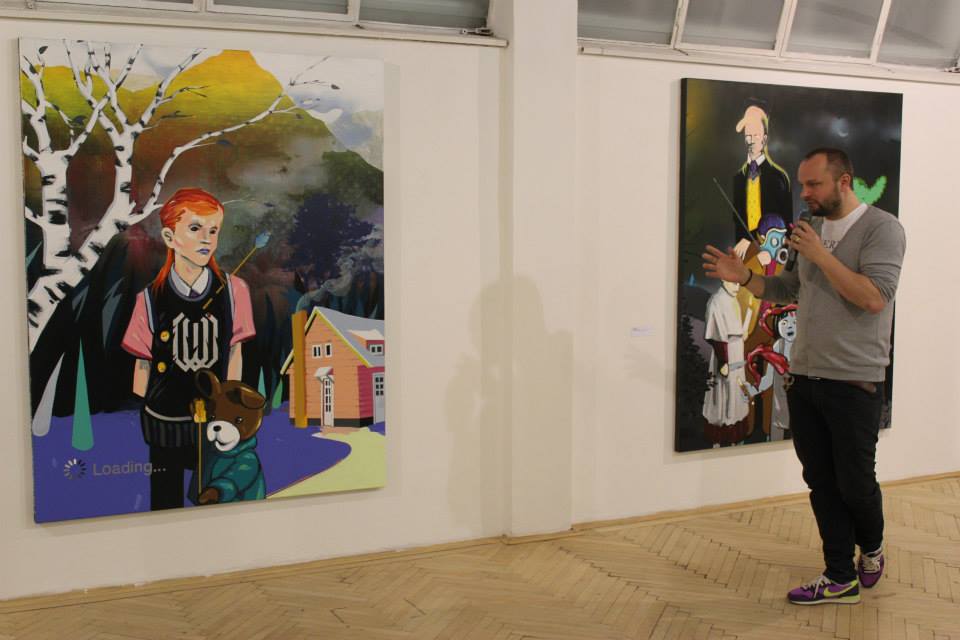
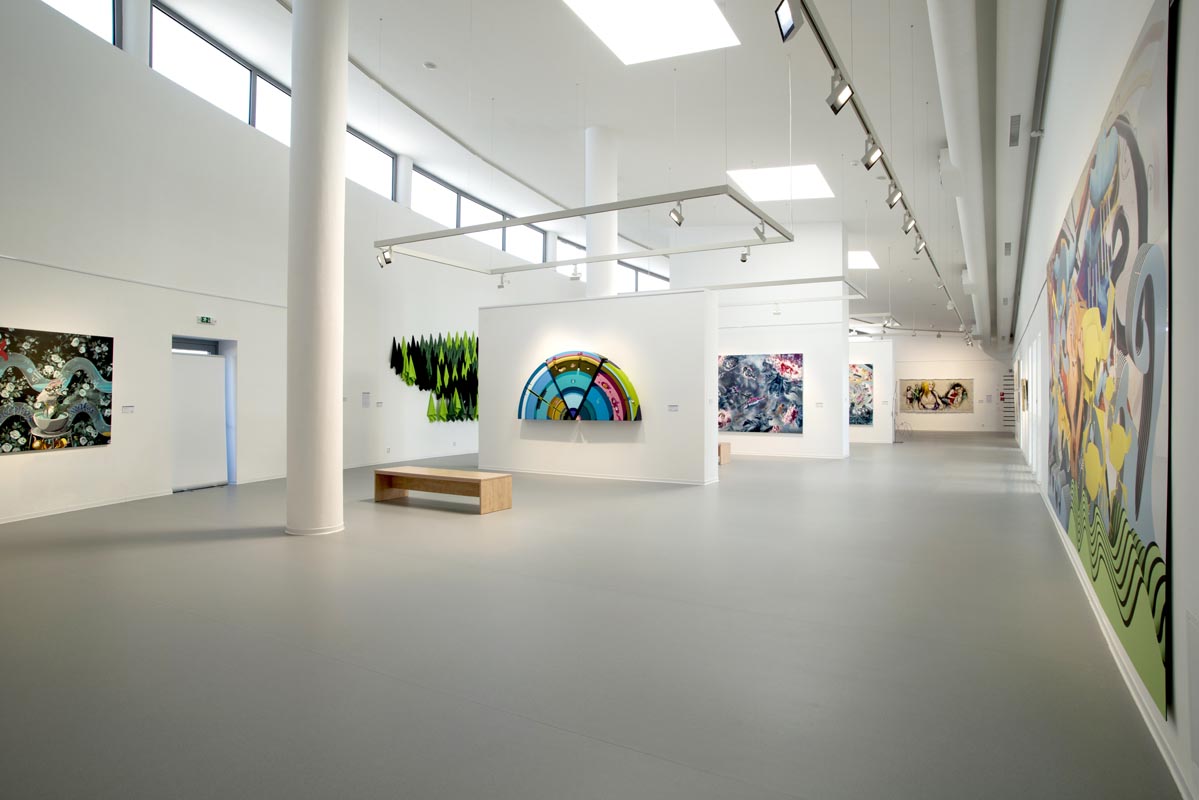
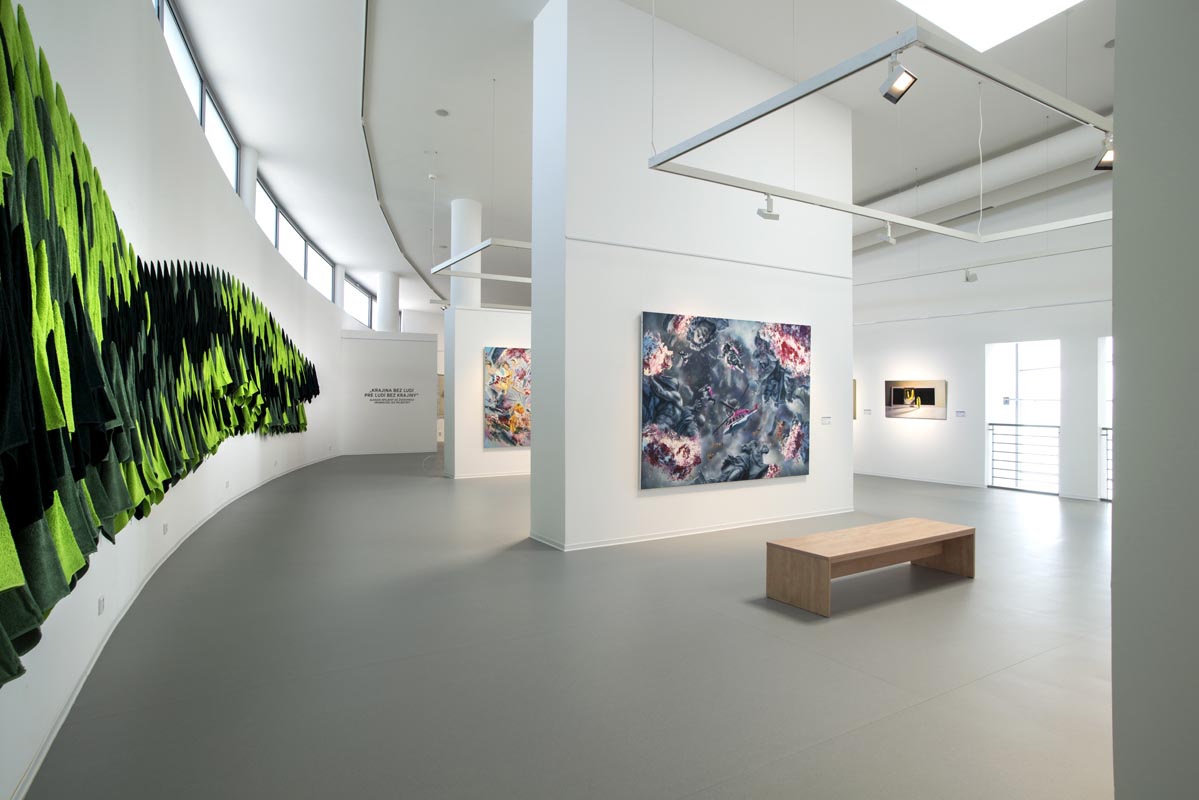
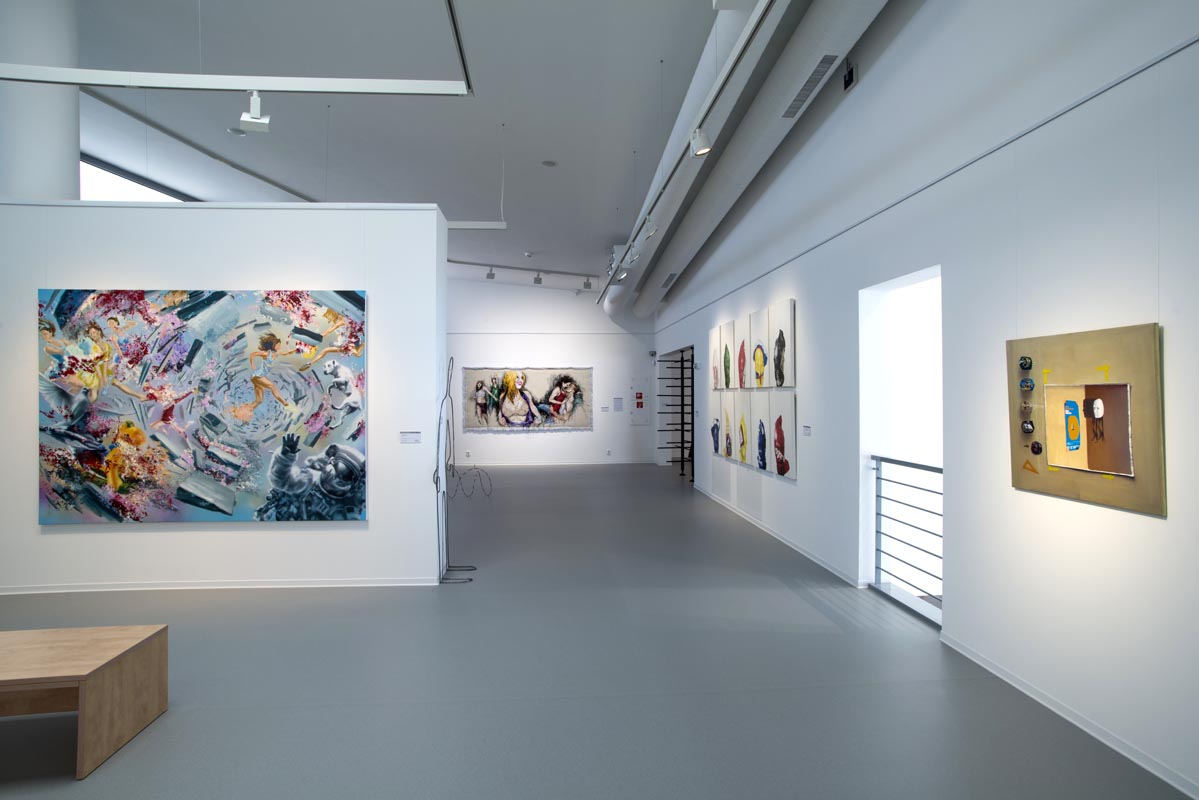
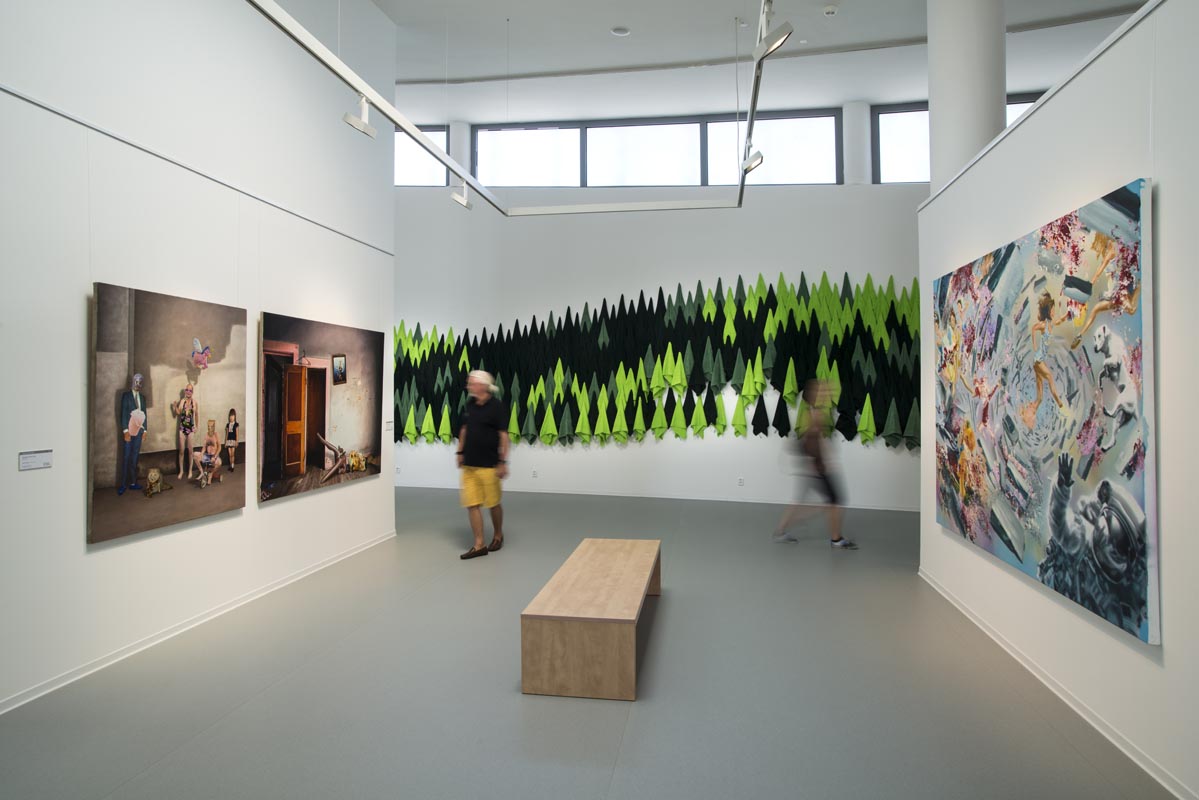
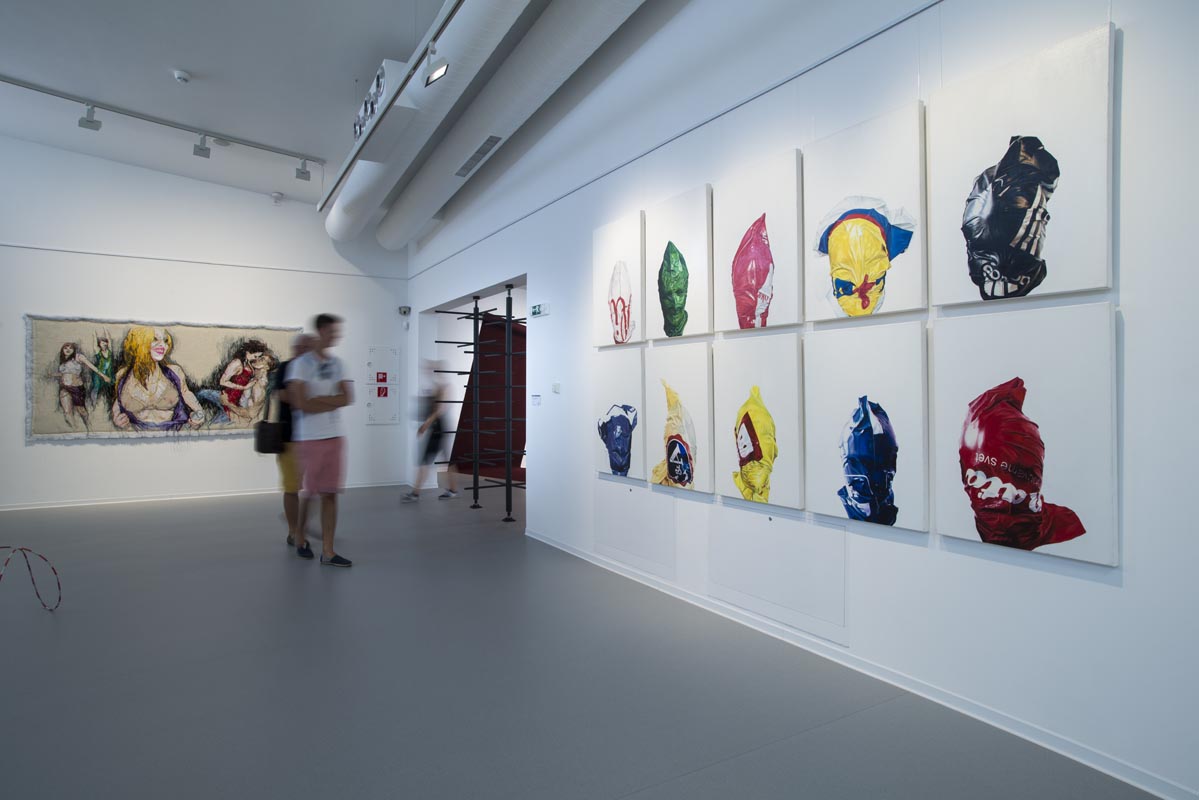
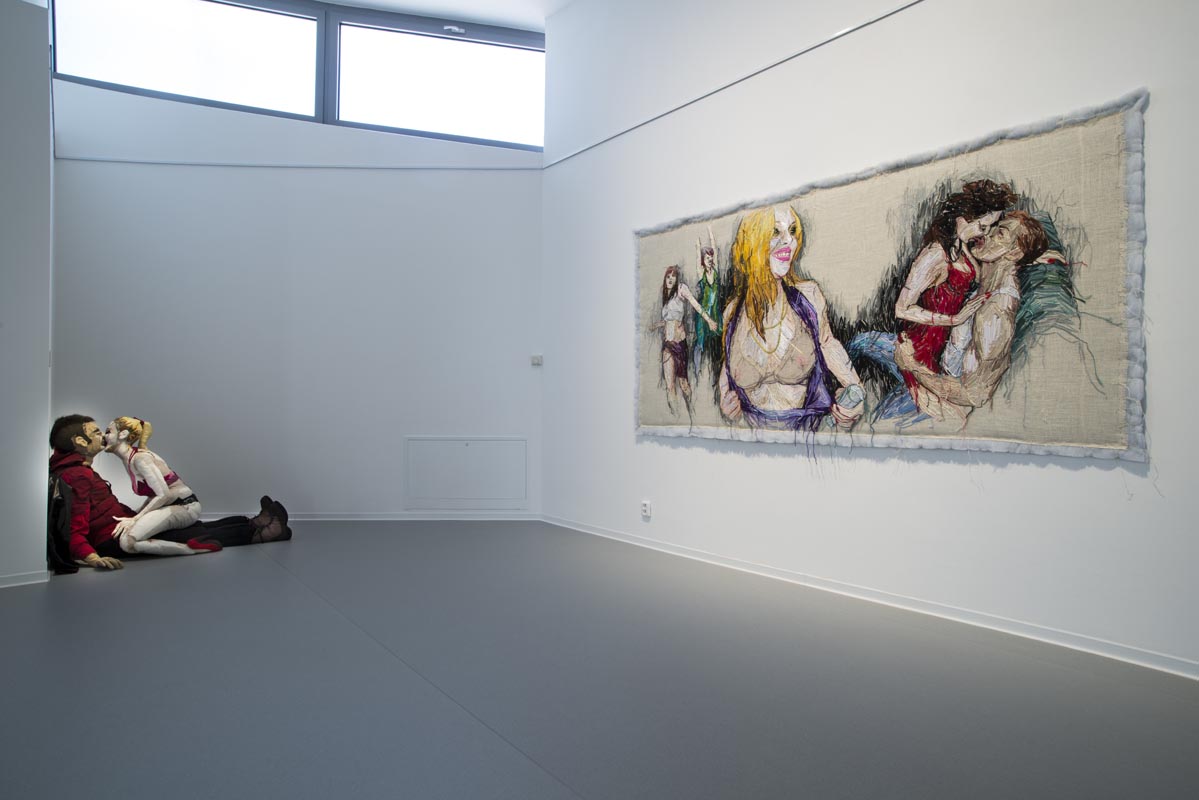
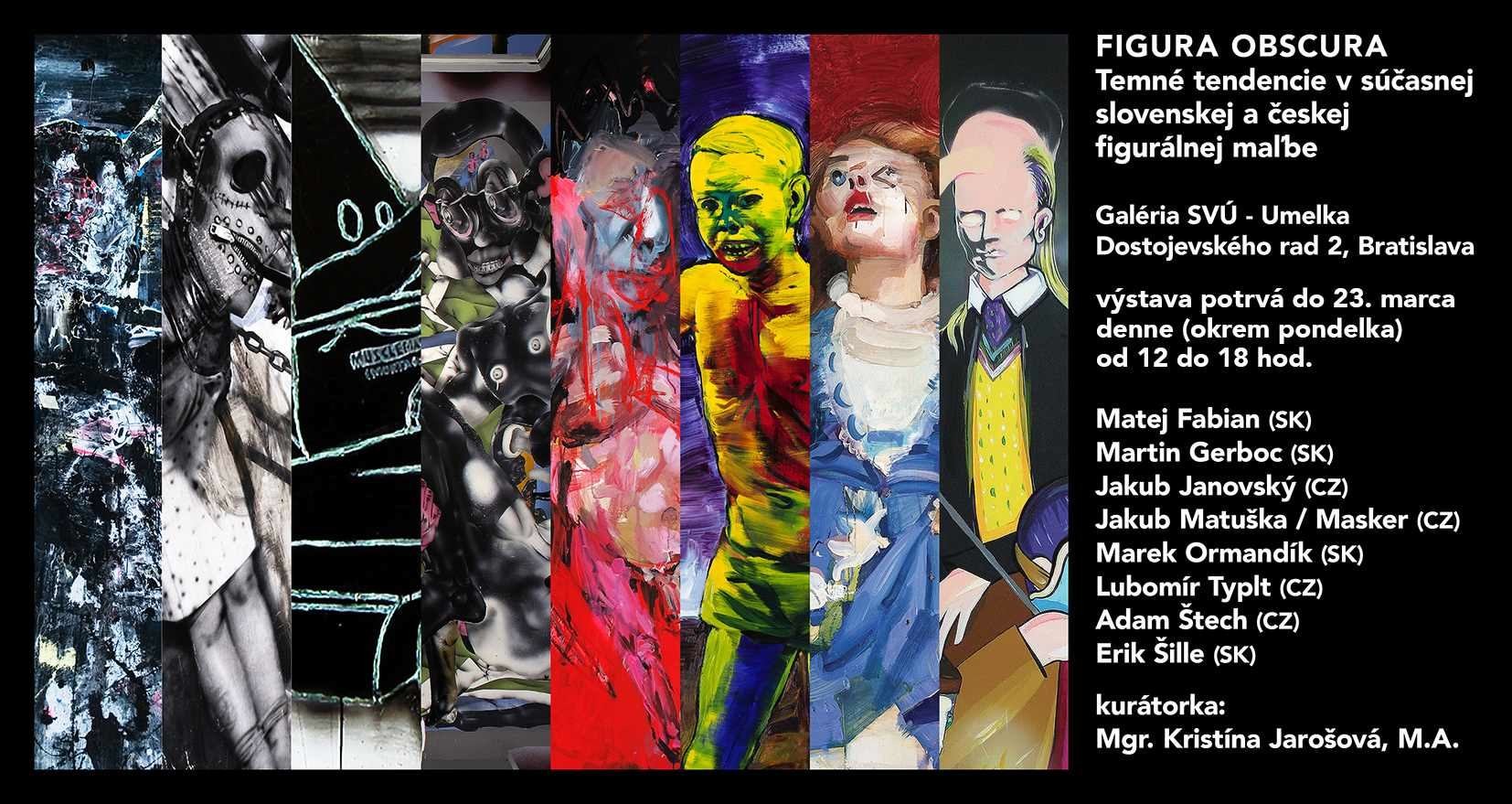
    The Figura Obscura exhibition presents a selection of established Slovak and Czech artists exploring the dark tendencies in contemporary figural painting. With authenticity and innovation, they expose the inverse side of humanity and critically reflect on the pressing issues of today’s consumer society. Holding up an unrelenting mirror, they observe and scrutinize themselves in the process. Through somber depictions of societal decline, blindness, and suffering, they simultaneously critique, escape, and seek their way back. Their work embodies this return, attempting to bridge the gap between imposed order and individual vision in the pursuit of new contexts and identities.

    Since time immemorial, humanity has sought to understand itself, to study its reflection in the mirror. Figural art has persisted precisely due to its social dimension—it is a means of communication with the external world, from the earliest cave paintings to the royal portraits of past centuries and today’s digital culture. Without figural representation, we would not know the faces of the historical figures who shaped our world—emperors, philosophers, priests, and artists, as well as the everyday person. Despite the predicted demise of figural art in the face of photography, film, and avant-garde abstraction, the figure remains. In fact, it is undergoing a renaissance. A new generation of painters is reintroducing figuration into their artistic lexicon, reaffirming its enduring relevance. But what does it reflect today?

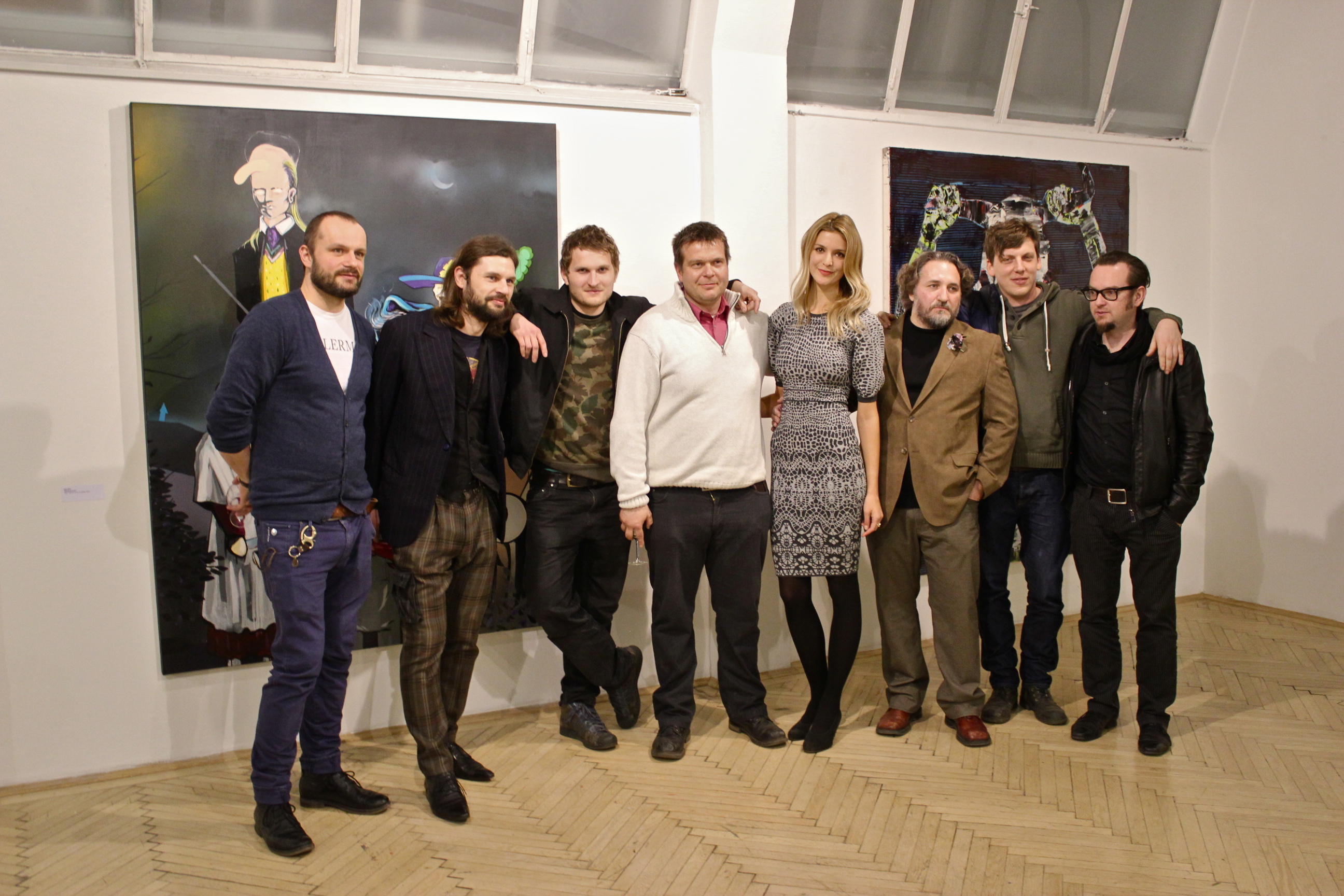
    The exhibiting artists—Matej Fabian (SK), Martin Gerboc (SK), Jakub Janovský (CZ), Jakub Matuška / Masker (CZ), Marek Ormandík (SK), Erik Šille (SK), Adam Štech (CZ), and Lubomír Typlt (CZ)—confront us with a destructive reality imbued with deep distress, uncertainty, and moral crisis.

    Read more

    (The euphoria following the 1989 Velvet Revolution in Czechoslovakia, alongside its political and economic transitions, heralded an era of seemingly limitless freedom. However, this was soon followed by a sobering realization. Crises of spirituality, consumerism, globalization, and dependence on digital media have created new constraints on liberty. Alienation, emptiness, identity loss, and the subtle fear perpetuated by mass media have entrapped individuals in a web of voluntary illiberalism.

    The Figura Obscura exhibition captures this fragmented reality. The isolated, wandering figures on these canvases exist in uncertain time-space continuums, devoid of clear narratives or direction. The viewer is drawn into a nightmarish world where reality and illusion intertwine, becoming indistinguishable. The artists pose unsettling questions about the psyche of the endangered individual—about failure, powerlessness, and the unchangeable. Horror, tension, brutality, and death become new aesthetic categories, both captivating and repellent.

    These themes unite the exhibiting artists, who amplify them through hyperbole, integrating them into their own suggestive works. With their rich sources of inspiration, strong pictorial sensibility, and technical virtuosity, they discover dynamic and progressive approaches to figuration. Their raw artistic expression pierces deep into the human soul, into its most secretive, shadowy corners. While the darkness of their works manifests through diverse themes and styles, figura obscura remains, for each artist, both individual and human.

    The visceral brutality of these scenes, reinforced by expressive gestures, intense plasticity, and dark tonalities, is particularly evident in the paintings of Matej Fabian and Jakub Janovský. Their works reveal the spontaneity of Art Informel and Neo-Expressionism, drawing on German Expressionism, mythology, and underground cultures. The gestural application of paint, experimental use of color, and near-abstract depictions of the human form heighten the themes of repulsion and estrangement.

    Similar tendencies appear in the raw, impulsive work of Marek Ormandík, whose expressive mark-making, reminiscent of Art Brut, conveys emotional intensity and a sense of artistic rebellion. Referencing ancient mythology, Christian iconography, and contemporary issues, he focuses on the human/sinner figure in search of meaning and salvation.

    In stark contrast, the visually seductive works of Erik Šille and Jakub Matuška / Masker depict seemingly lighthearted and alluring worlds, yet beneath their vivid surfaces lie grotesque and surreal narratives. The polished, rational expression and bright color palettes initially captivate, only to reveal layers of biting irony and hidden unease. Their paintings combine Renaissance influences with modern aesthetics—street art, comics, video games, graffiti, and graphic design—resulting in a fusion of absurd imagery that speaks to information overload and contemporary moral crises.

    Emotionally charged German Expressionism, dramatic Baroque influences, and the absurdity of Dadaism converge in the works of Adam Štech and Lubomír Typlt. Their dynamically constructed compositions evoke fear, inner turmoil, and existential failure. Isolated, restless figures emerge in ambiguous time and space, prompting urgent questions about the dehumanization and contradictions of modern globalized culture.

    The dark, inverted side of humanity—enriched by references to philosophy, literature, Romanticism, German Expressionism, and underground movements—defines the work of Martin Gerboc. His haunting depictions of human decline and suffering push the viewer to the limits of aesthetic perception. Not only do these works confront themes of vanity, futility, death, and the normalization of evil, but they also question the very purpose and role of fine art itself.

    Ultimately, Figura Obscura invites us to gaze into the abyss of contemporary figural painting, where human figures are stripped of certainty and stability, suspended between chaos and meaning. Through their disturbing yet captivating visions, these artists force us to question not only the state of society but also our own place within it. 

    Exhibiting Artists: Matej Fabian, Martin Gerboc, Jakub Janovský, Jakub Matuška / Masker, Marek Ormandík, Erik Šille, Adam Štech, Lubomír Typlt

    Text by: Kristína Jarošová
  • Contemporary Icons: The Art of Spectacle

    Contemporary Icons: The Art of Spectacle

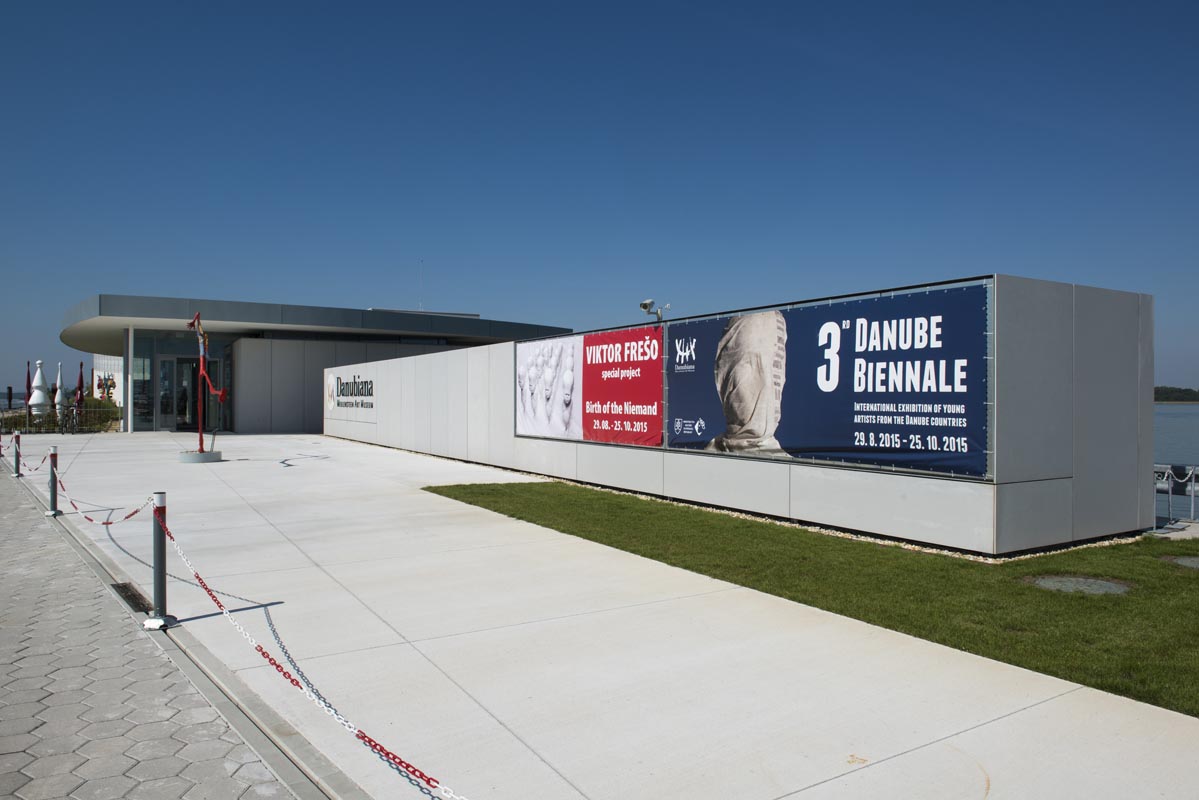
    3rd DANUBE BIENNALE

    International exhibition of young artists from the Danube countries

    Exhibition: International Exhibition
    Curator: Kristína Jarošová
    Location: Danubiana, Slovakia
    Date: 2015

    art-bienale-1
    previous arrow
    next arrow

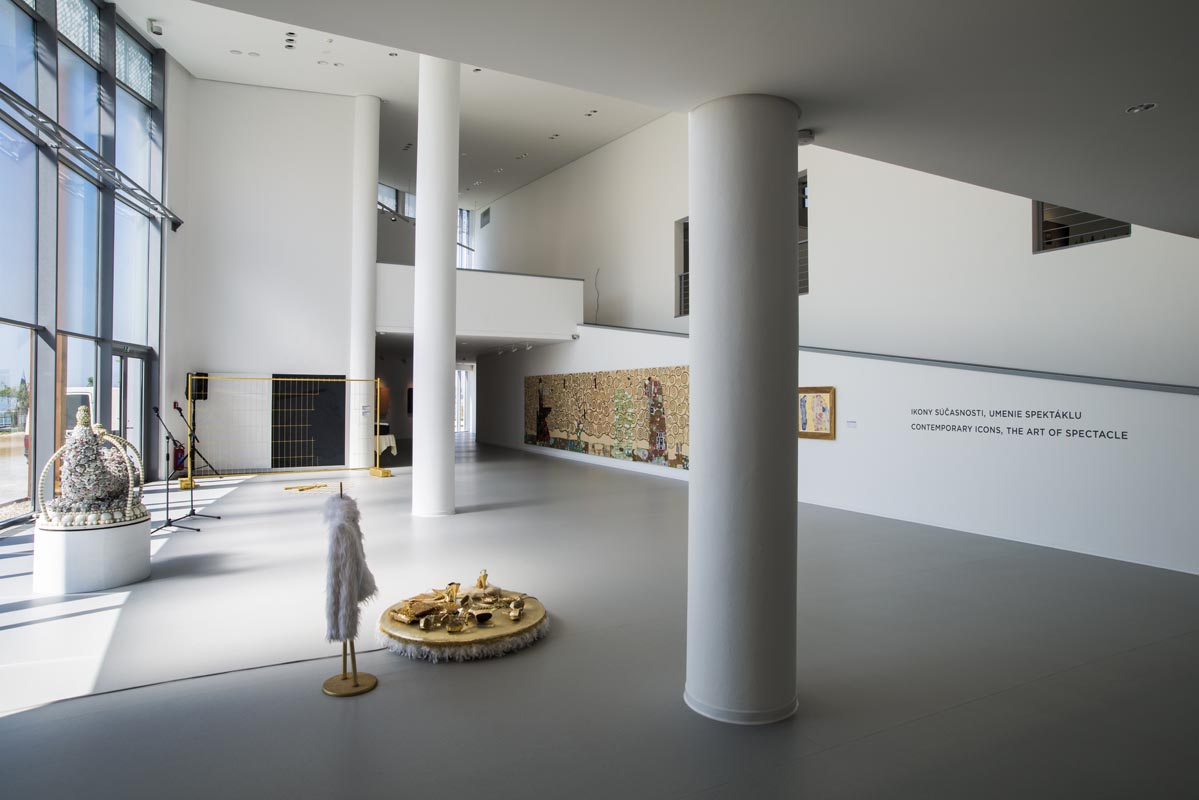
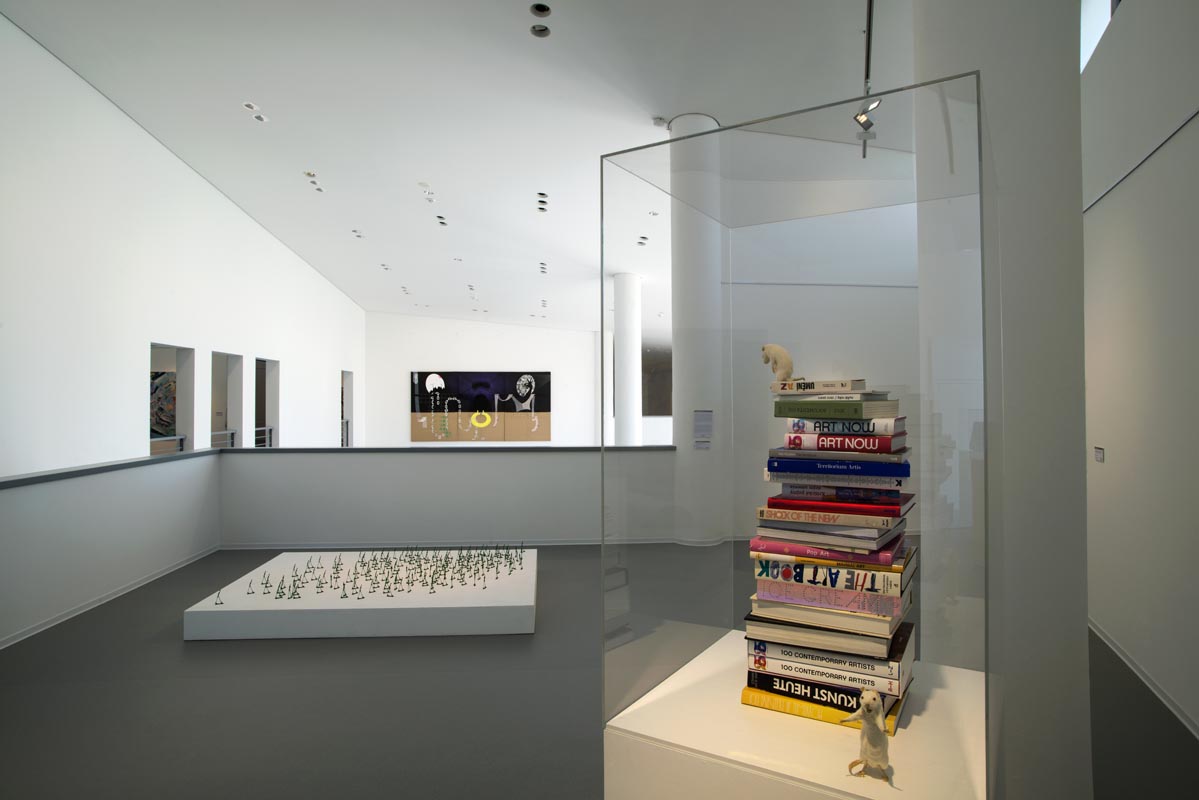
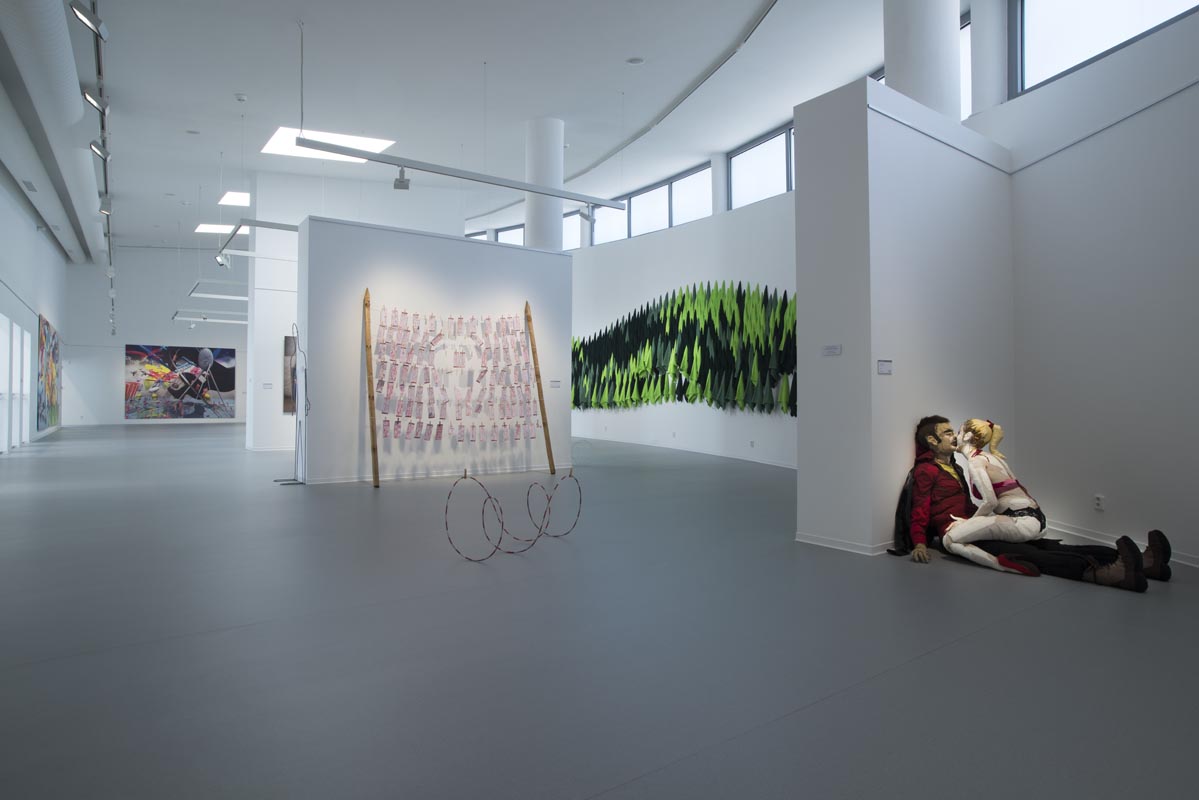
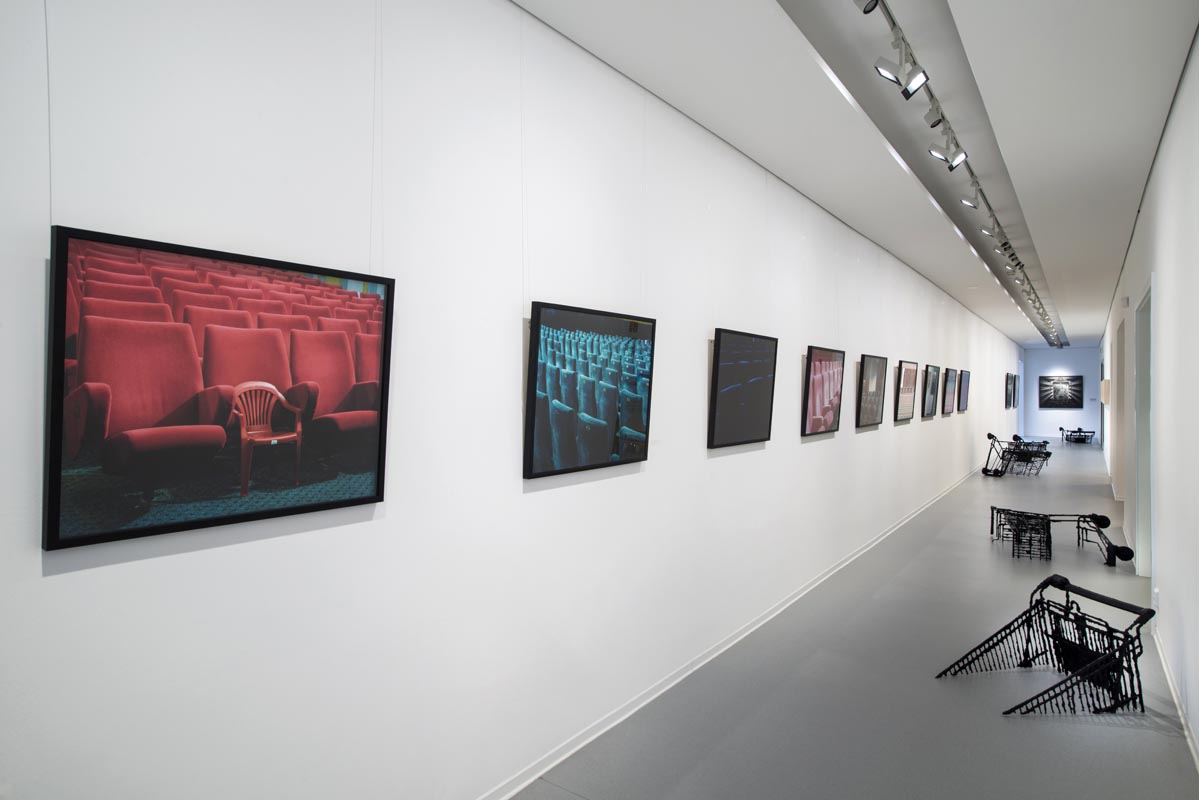
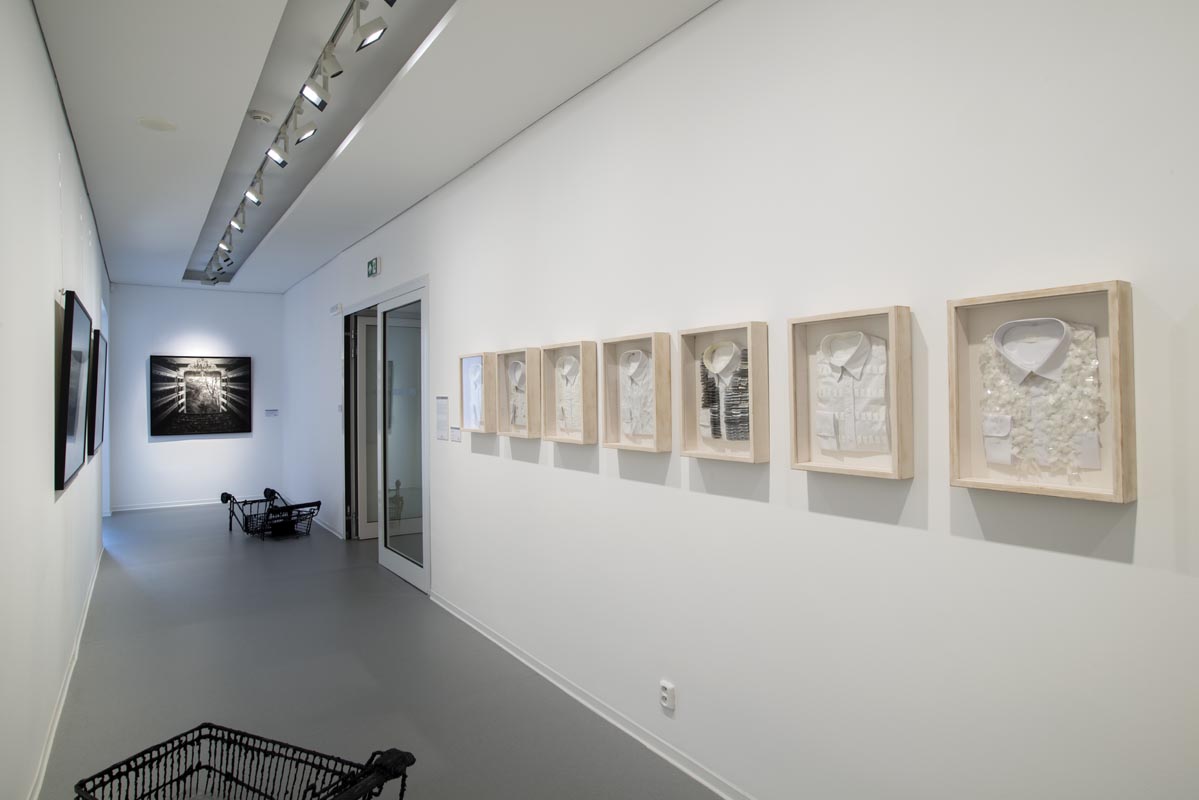
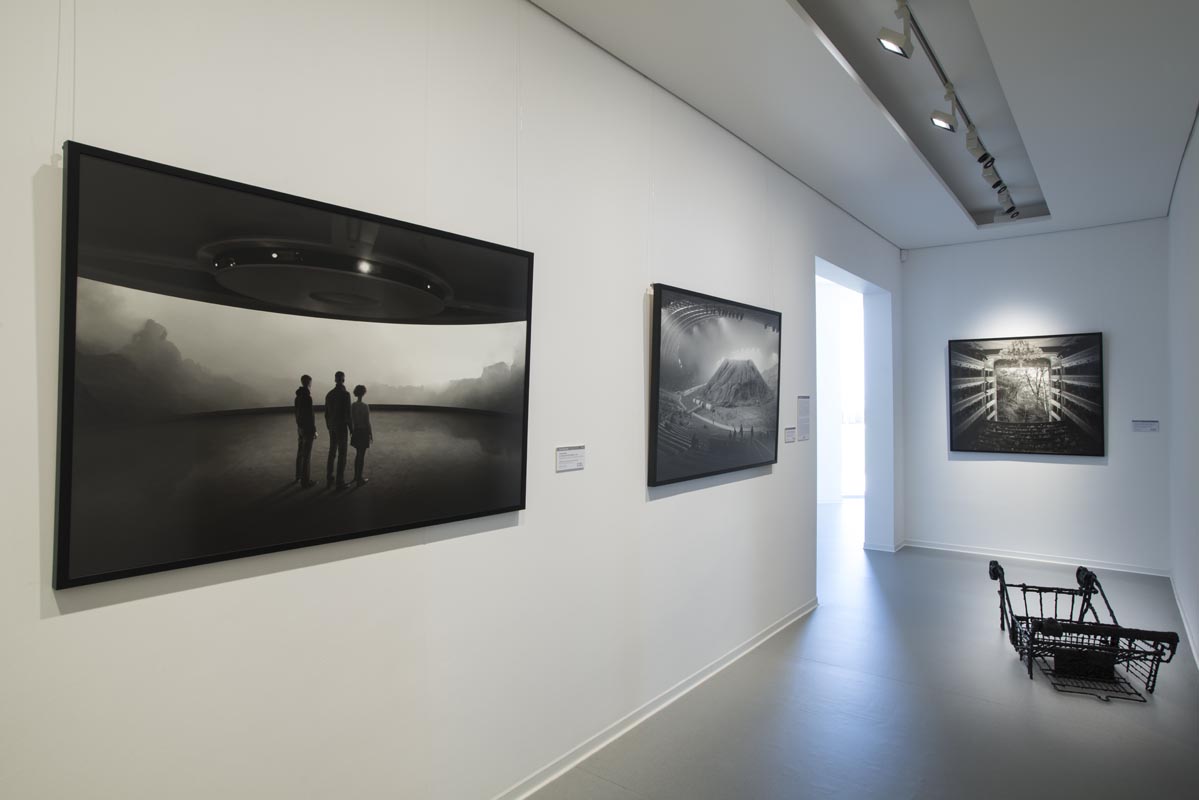
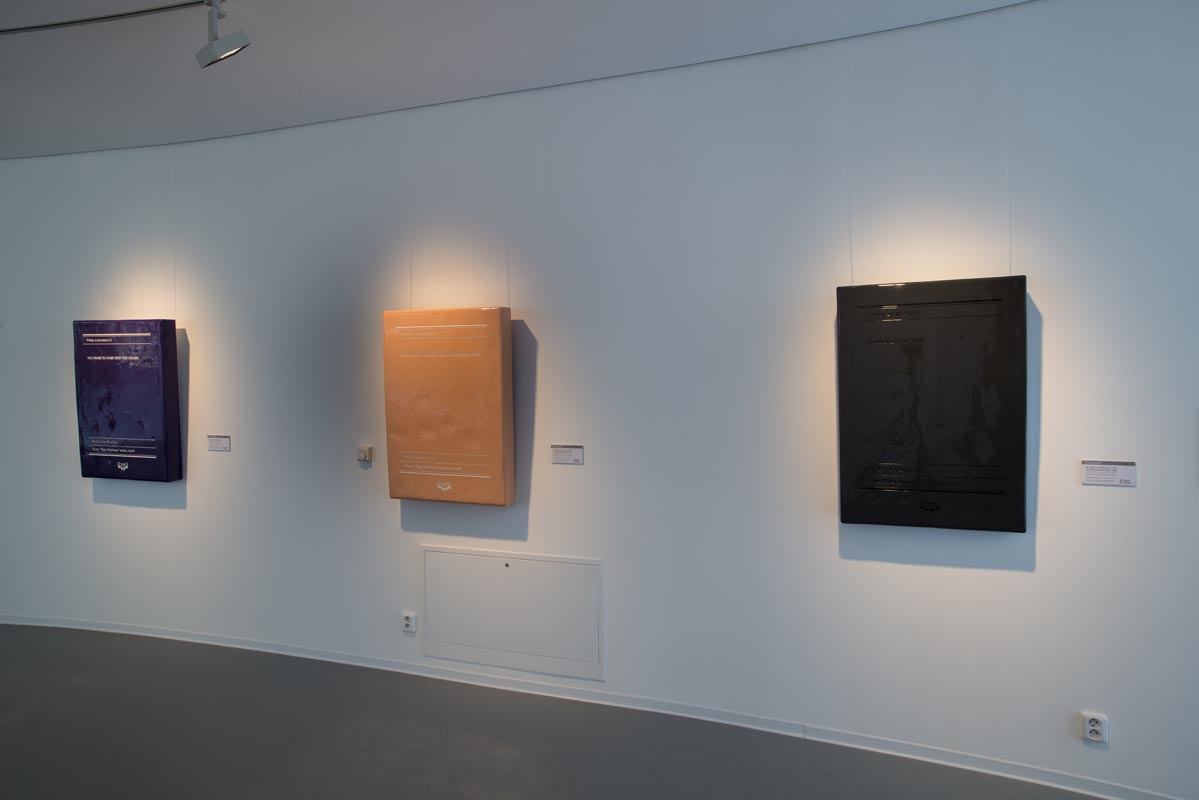
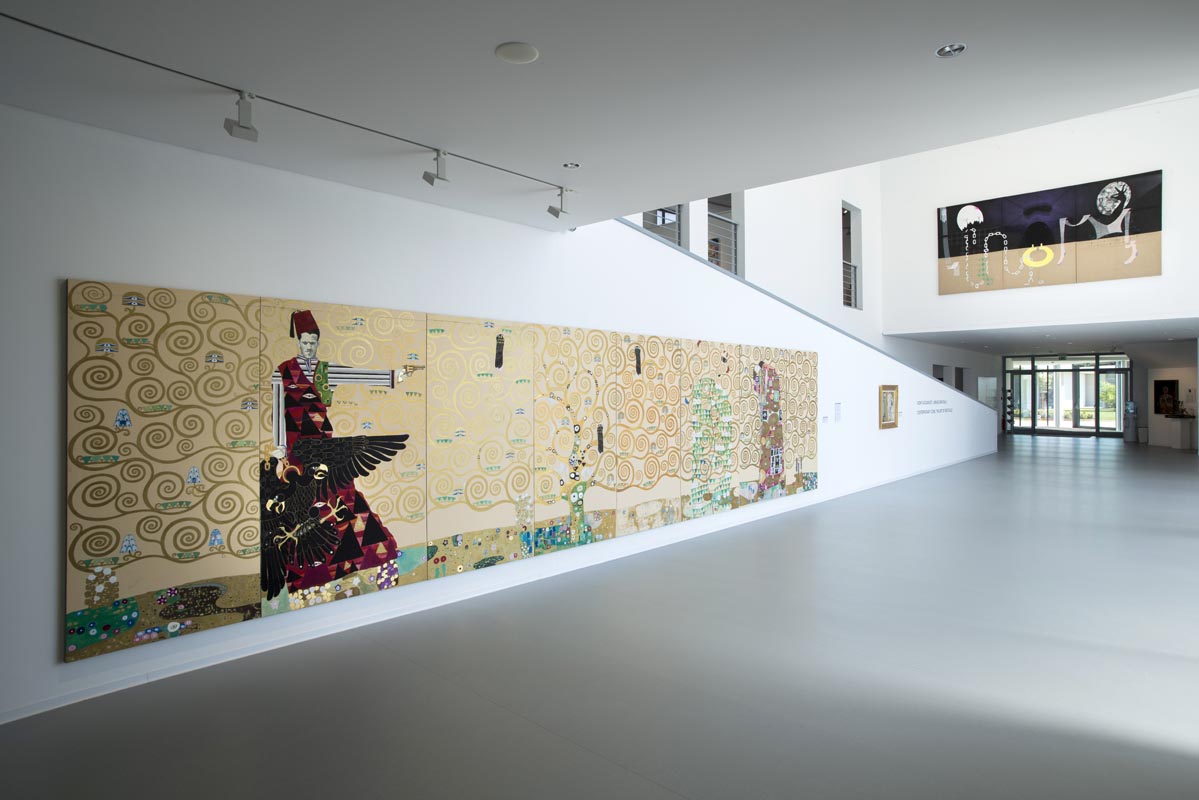
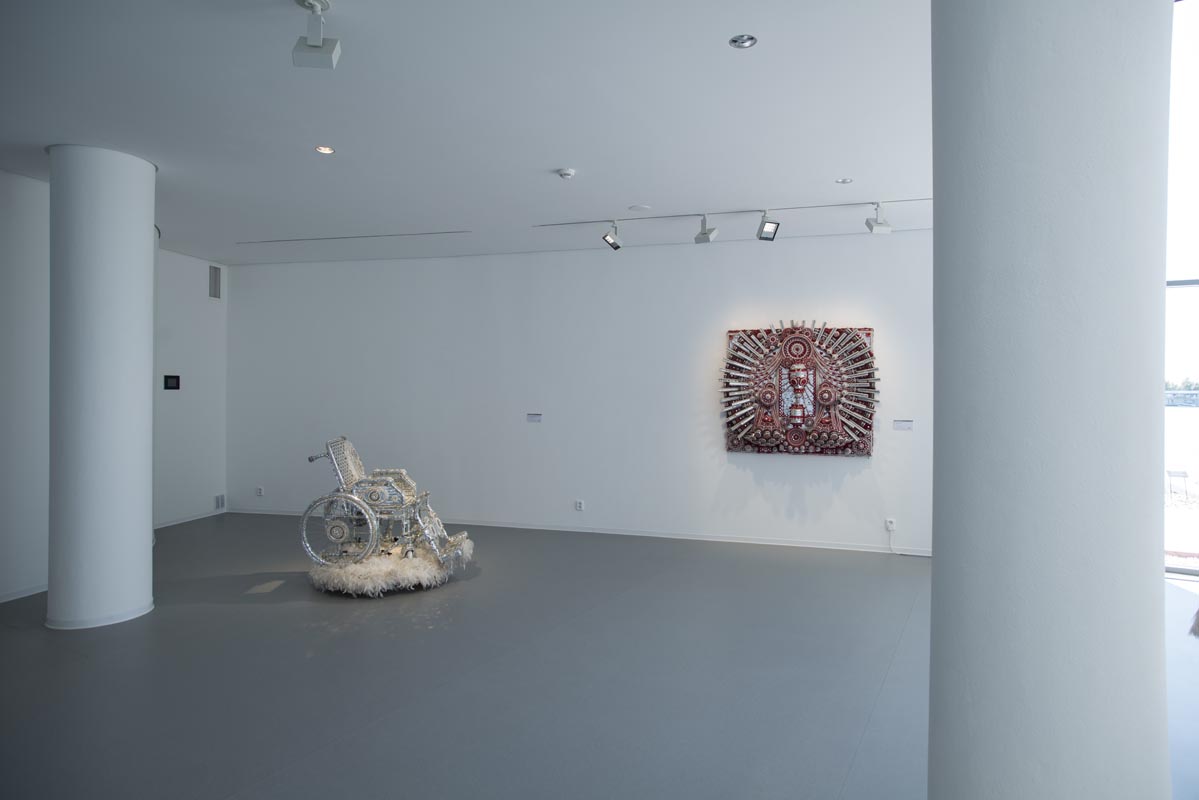
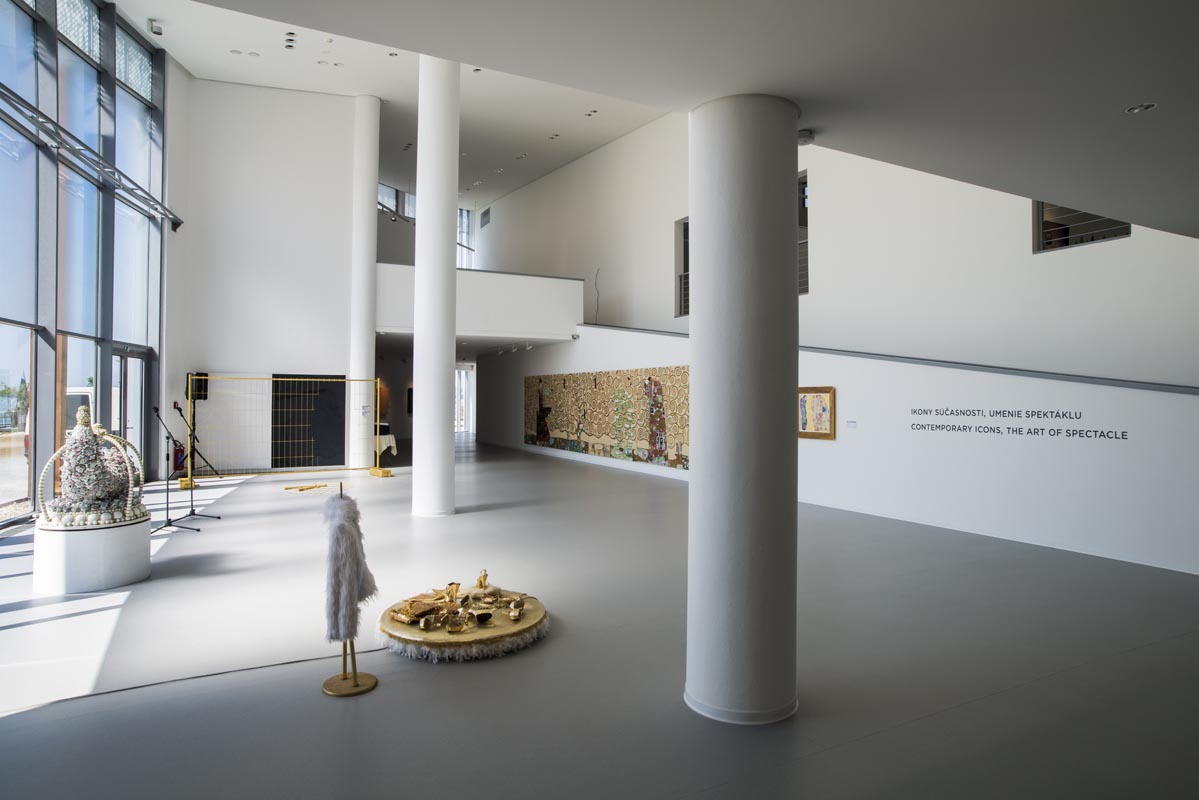
    The 3rd DANUBE BIENNALE presents 22 artists from the young and middle generations across ten Danube basin countries—Germany, Austria, Slovakia, Hungary, Croatia, Serbia, Bulgaria, Romania, Moldova, and Ukraine.

    The subtitle of this exhibition, Contemporary Icons: The Art of Spectacle, suggests several overlapping themes that provide insight into the diverse artistic forms and techniques of the participating artists. However, rather than focusing on summarization and evaluation, the exhibition emphasizes the dialectic nature of these matters and creates space for open discussion.

    This brings us back to polemics concerning the discredited values of capitalism, the (im)possibility of autonomous artistic production, commodity fetishism, the commodification of art, the society of the spectacle, and the question—what becomes an icon today, and how? How do contemporary icons adapt to functioning within the tangled web of mass culture images, the superficial reading of symbols, and the spectacular visuality of objects? How have the importance and function of this concept evolved when traditional religion, once the fundamental value of society, has been challenged by the religion of consumption?

    Read more

    The consumerist lifestyle has brought about a sense of uniformity, diminished personal freedom, and a crisis of values. Even protest against the system itself becomes a commodity, typically absorbed and transformed by market mechanisms into yet another product.

    According to the French thinker Guy Debord, spectacle emerges in such a society as a false representation of reality—one that shapes models of identification and creates artificial needs for individuals. In response, artists explore visually striking forms that blend industrial design, deliberate imagery, and the sleek language of advertising. Through clichés, repetition, kitsch, and shifts in context, they blur the lines between high and low culture—disrupting aesthetic norms and challenging established meaning.

    These seemingly playful and simplified references often conceal a deeper critical reflection on the contradictions of contemporary life. But is it possible to critique spectacle and capitalism in any way other than through spectacle itself, without inevitably becoming part of the very system? And if we accept this participation, where is the threshold at which critique ends and complicity begins?

    The third millennium has brought both new realities and new paradoxes. The 3rd Danube Biennale provides an opportunity to observe and confront these systemic changes—offering a space for reflection and potential transformation. New times = new icons.

    Exhibiting Artists: Erik Binder (SK), Michele Bressan (RO), Nemanja Cvijanović (HR), Michal Černušák (SK), Tanja Deman (HR), Viktor Frešo (SK), Daniil Galkin (UA), Patrícia Jagicza (HU), Paulina Jazvić (HR), Vikenti Komitski (BG), Kristian Kožul (HR-DE), Marek Kvetan (SK), Marcel Mališ (SK), Stano Masár (SK), Ioana Nemes (RO), Pavle Pavlović (HR), Stepan Ryabchenko (UA), Nikita Shalenny (UA), Erik Šille (SK), Maja Vukoje (AT), Clemens Wolf (AT), Vlasta Žáková (SK)
    Text by: Kristína Jarošová